
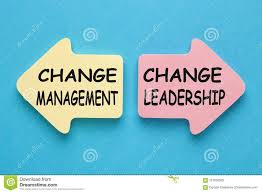
Leadership today is no longer what it used to be. The traditional image of a leader as someone who simply gives orders, controls execution, and expects compliance is rapidly fading. In its place, a new model is emerging—one that is more human, more adaptive, and far more impactful.
1. From Control to Influence
In the past, leadership was often based on hierarchy and control. The leader knew, the team executed. Today, information is everywhere, and expertise exists at every level of the organization. Modern leaders no longer succeed by controlling everything, but by influencing mindsets, aligning people, and creating clarity in complexity.
2. From Authority to Trust
Authority alone is no longer enough to inspire performance. Teams now look for trust, authenticity, and consistency. Leaders are expected to be transparent, emotionally intelligent, and genuinely present. Trust has become the real currency of leadership.
3. From Task Management to People Empowerment
Leadership is no longer just about tracking tasks or pushing for results. It is about unlocking potential. Great leaders focus on coaching, developing, and empowering their teams to think, decide, and grow independently. Performance follows when people feel capable and supported.
4. From Fixed Plans to Adaptability
The environment businesses operate in is changing faster than ever—uncertainty, disruption, and rapid shifts have become the norm. Leaders can no longer rely only on rigid plans. They need adaptability, resilience, and the ability to recalibrate quickly while keeping their teams grounded.
5. From Individual Hero to Collective Success
The “hero leader” is disappearing. Today’s leadership is about building strong teams, not being the strongest person in the room. Success is measured by how well a leader enables others to succeed, collaborate, and contribute to a shared purpose.
The New Leadership Mindset
Modern leadership is not about having all the answers. It is about asking the right questions, listening deeply, and creating an environment where people can thrive even in uncertainty.
Because in the end, leadership is no longer defined by position or power—it is defined by impact.
And impact comes from how you make people feel, grow, and perform together.